
Own-Occupation vs Any-Occupation
Own-Occupation and Any-Occupation are different definitions used in Total and Permanent Disability (TPD) Cover to determine whether you meet the requirements for a claim.
Own-Occupation focuses on your ability to perform your own occupation, while Any-Occupation considers whether you are able to work in any occupation for which you are reasonably suited.
When people think about TPD Cover, they often assume that being unable to continue doing their current job automatically means they can claim. This isn't necessarily the case. The definition of disability in your policy is critical.
An Own-Occupation definition generally considers whether, because of illness or injury, you are unable to perform the duties of your own occupation. This can provide a more occupation-specific definition because the assessment is focused on the work you were doing when the disability occurred.
An Any-Occupation definition is generally broader in terms of the work that can be considered. Rather than focusing solely on your current occupation, the assessment considers whether you're unable to work in any occupation for which you are reasonably suited by education, training or experience, depending on the exact policy wording.
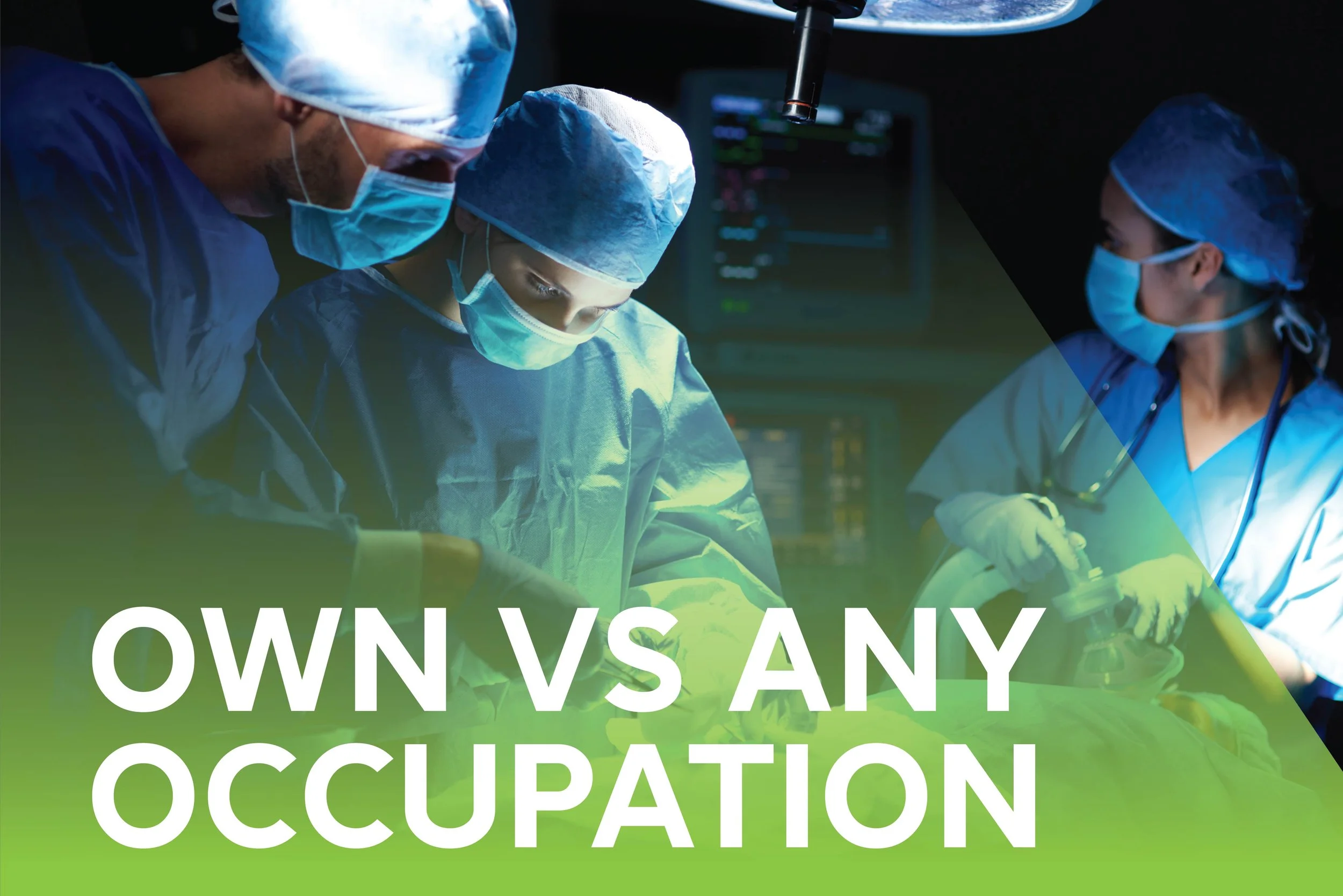
For example, imagine a surgeon who suffers an injury that prevents them from performing surgery but doesn't prevent them from undertaking another type of work. Under an Own-Occupation definition, their inability to perform their specific occupation may be relevant. Under an Any-Occupation definition, their ability to undertake other suitable work may also be considered.
The exact definitions and eligibility requirements vary between insurers and policies. Some policies may also use different definitions depending on the occupation, type of TPD Cover or policy structure.
This is why understanding the definition of disability is just as important as knowing how much TPD Cover you have.
Why it matters
Two people with the same medical condition could have very different claim outcomes depending on their occupation and the definition contained in their policy.
Understanding whether your TPD Cover uses an Own-Occupation, Any-Occupation or another definition helps you understand what your policy is actually designed to protect you against.
Common Misunderstandings
"If I can't do my job, my TPD will pay."
Not necessarily. Whether a claim is payable depends on the specific disability definition in your policy.
"Own-Occupation and Any-Occupation mean the same thing."
No. Own-Occupation focuses on your ability to perform your own occupation, while Any-Occupation can consider your ability to work in other occupations for which you're reasonably suited.
"Any-Occupation means I have to be unable to do absolutely any job."
Not necessarily. The definition will generally consider whether you can work in an occupation for which you are reasonably suited based on factors such as your education, training or experience.
"Own-Occupation is always better."
Not necessarily. The appropriate definition depends on your circumstances, occupation and the policy available to you.
"The medical diagnosis is all that matters."
No. A diagnosis alone doesn't necessarily mean you meet the TPD definition. The insurer assesses the medical condition against the specific definition and requirements in your policy.
FAQs about Any-Occupation and Own-Occupation
-
It is a disability definition that generally focuses on whether you're unable to perform the duties of your own occupation because of illness or injury.
-
It is a disability definition that generally considers whether you're unable to work in an occupation for which you're reasonably suited, depending on the policy wording.
-
Neither is automatically better. The appropriate definition depends on your occupation, circumstances and the terms available from the insurer.
-
Yes. Your occupation can affect the definition available to you, the underwriting of your policy and how a future claim is assessed.
-
No. You must still meet all the requirements of the specific definition in your policy.
TPD Cover isn't simply about how much insurance you have - the definition of disability determines what needs to happen before a claim can be paid. If you're unsure whether your TPD Cover is based on an Own-Occupation, Any-Occupation or another definition, talk to a New Vision Financial Services adviser. We'll help you understand what your policy actually means and how it is designed to protect you.